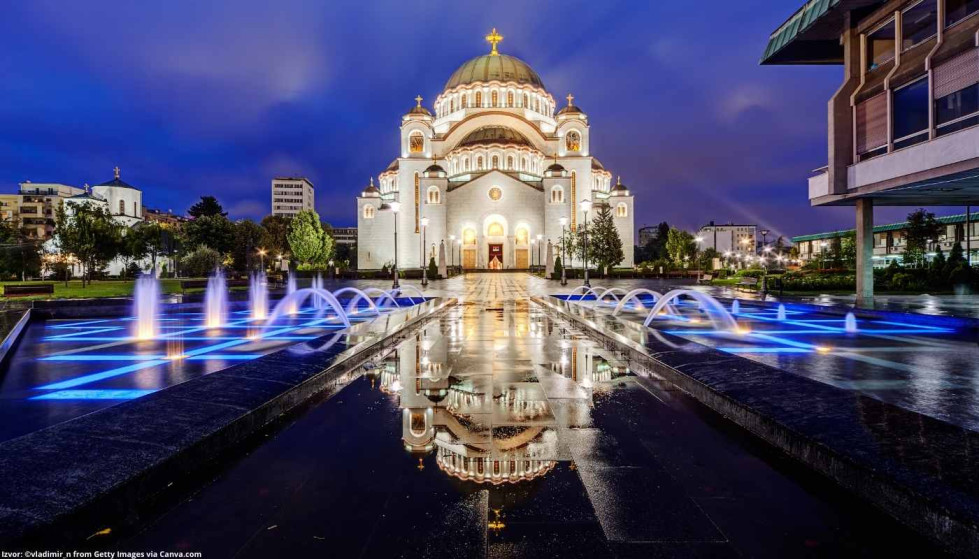
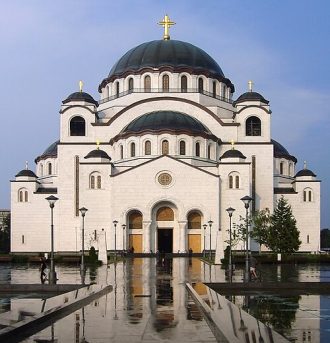
The Church of Saint Sava.
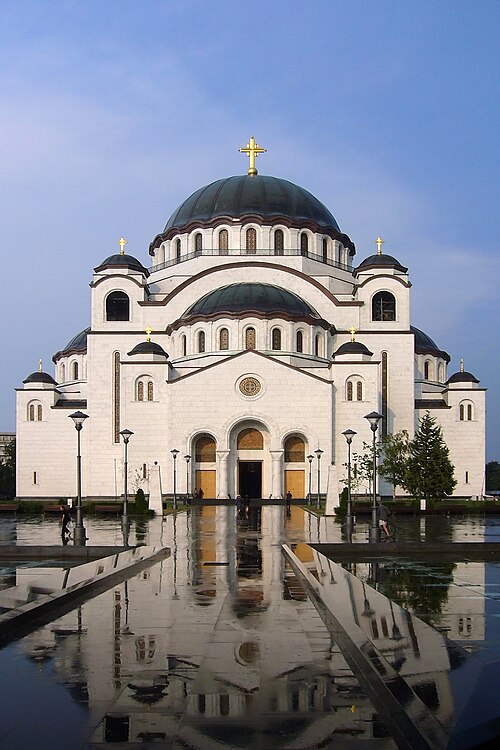
The Church of Saint Sava is one of the largest Orthodox churches in the world, rising proudly above Belgrade’s Vračar plateau. Today it stands as the city’s most recognizable landmark and a symbol of Serbian faith and identity.
A Place of Memory and Faith.
The church is dedicated to Saint Sava (1175–1235), the first Serbian Archbishop and the nation’s patron saint. Its location is deeply symbolic: in 1595, the Ottoman Grand Vizier Sinan Pasha burned Saint Sava’s relics here, in an effort to crush Serbian resistance. That act of defiance turned the site into a place of national memory. Centuries later, in 1895, plans began for a great church to honor him.
Architecture and Vision.
The design was inspired by the Hagia Sophia in Constantinople, underlining Serbia’s cultural and spiritual ties to Byzantium. Construction began in 1935, but wars and political upheaval stalled progress for decades. It was not until 1985 that work resumed in earnest, under architect Branko Pešić.
Monumental Scale.
Built in the Neo-Byzantine style, the church takes the form of a Greek cross and is monumental in scale.
A dramatic feat of engineering came in 1989, when the pre-built dome—4,000 tons of stone and metal—was lifted into place with special hydraulic machinery. The entire exterior is clad in luminous white marble from Greece, giving the building its striking presence.
Interior Masterpiece.
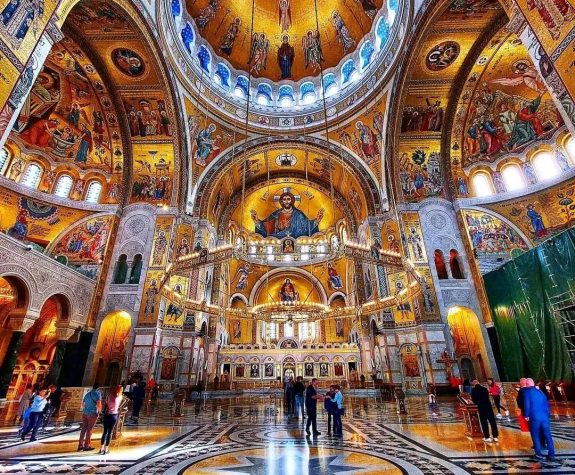
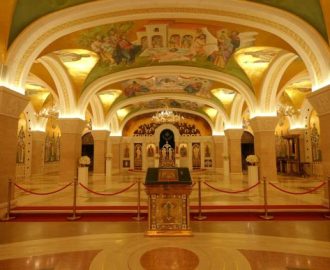
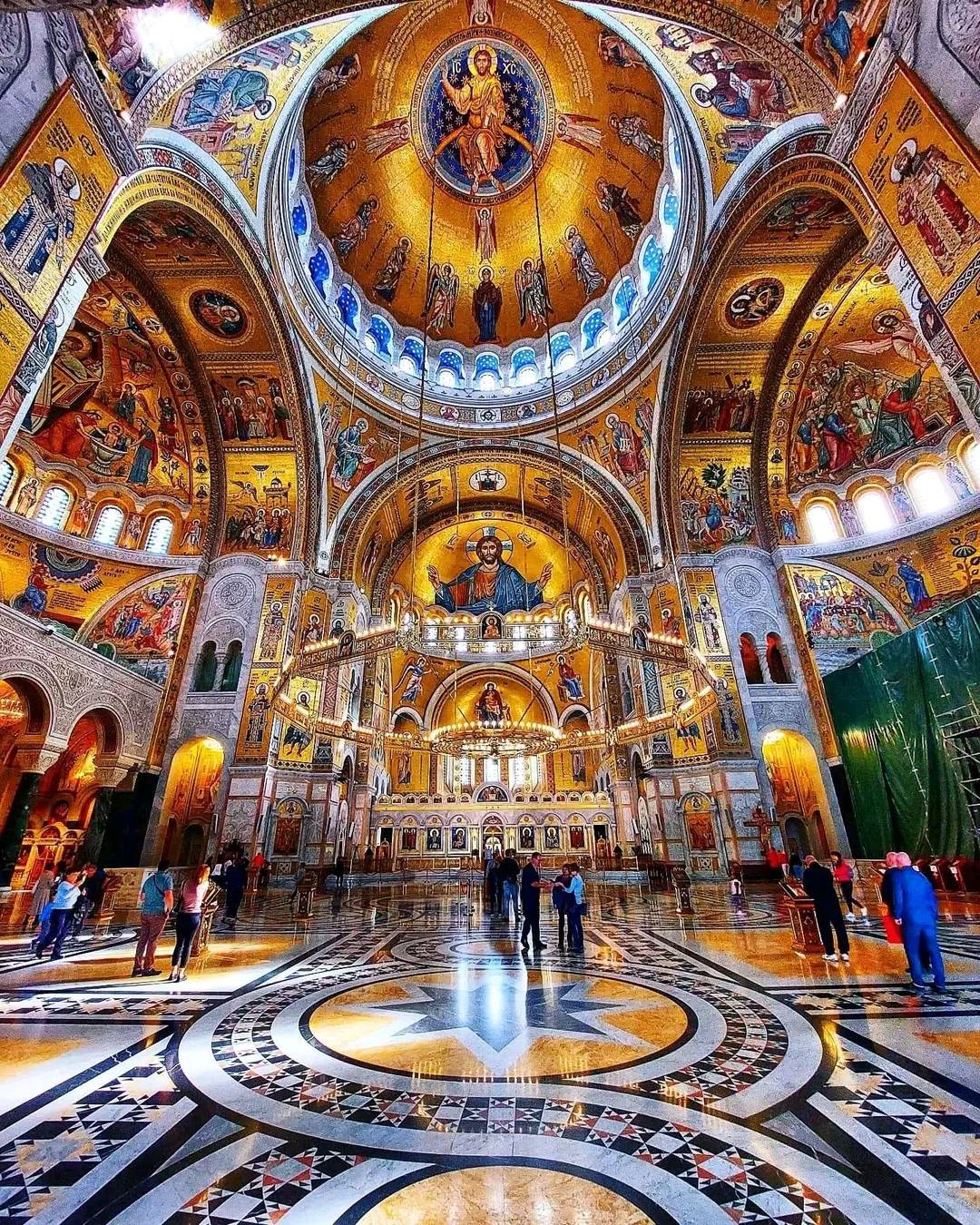
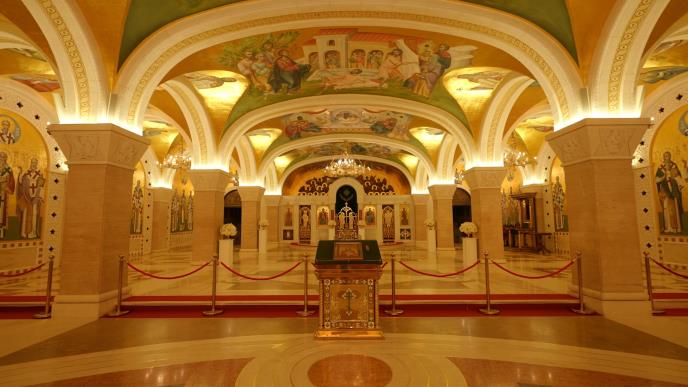
The vast interior features a crypt, treasury, and Saint Lazar’s church, but its defining feature is the breathtaking mosaics. Created under the direction of Russian artist Nikolay Mukhin, they cover thousands of square meters in glittering gold and vivid colors. The dome’s central mosaic depicts the Ascension of Christ, spread across 1,230 square meters and weighing 40 tons.
When completed, Saint Sava’s mosaics will make it one of the largest decorated church interiors in the world. Critics praise its interior as both pure and monumental—where sheer scale combines with sacred beauty.

A Living Monument
Declared a cultural-historical monument in 2021, the Church of Saint Sava is not only a place of worship but also a national symbol. It honors centuries of faith and struggle, standing as a modern testament to memory, resilience, and spiritual identity.