Decoding the Past: Adornment as Universal Communication
At the core of human history lies the powerful desire to communicate identity. We interpret the visual languages of the past through the study of adornment, a profound cultural concept far exceeding mere aesthetic values. Adornment encompasses personal expression through clothing, jewelry, hair styles, body painting, and permanent alterations such as tattoos, piercings, and scarification.
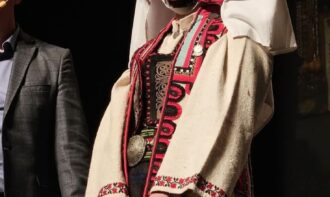
These forms of decoration have always been viewed as a fundamental communicator of status, identity, beliefs, and belonging across various societies. As a visual sign and marker of non-verbal communication, adornment expresses and shapes both individual and group identities, conveying meanings related to sex, gender, wealth, status, class, age, culture, and social affiliation. It serves simultaneously as a marker of cultural difference and a medium for identity construction.

The Language of Hair in Traditional Serbia
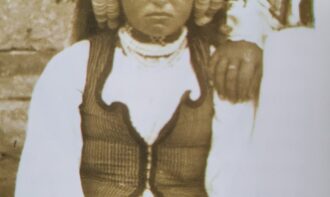
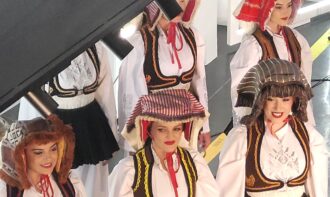
To illustrate the depth of this symbolic communication, we look to 19th-century traditional Serbian society. Hairstyle was an unavoidable part of adornment. Since other body modifications like tattoos or scarification were scarcely noted, hair served as the primary visual vehicle and communicator of social statuses.In this society, hair held strong symbolic roles: it was seen as a sign of innocence, belonging to the community, and crucially, an indicator of marital status (girl, married, older woman).
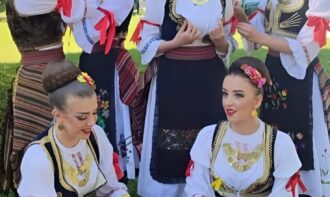
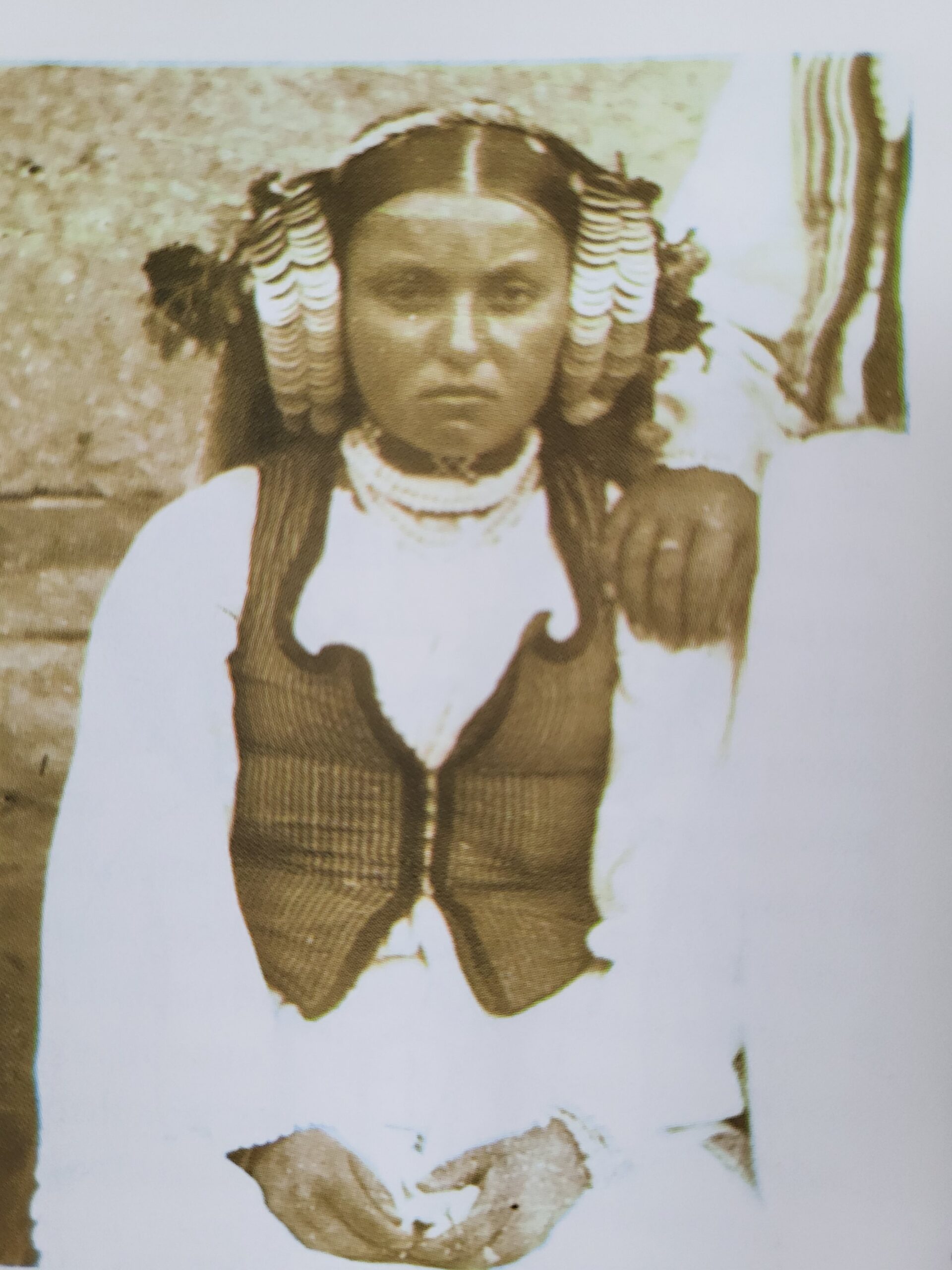
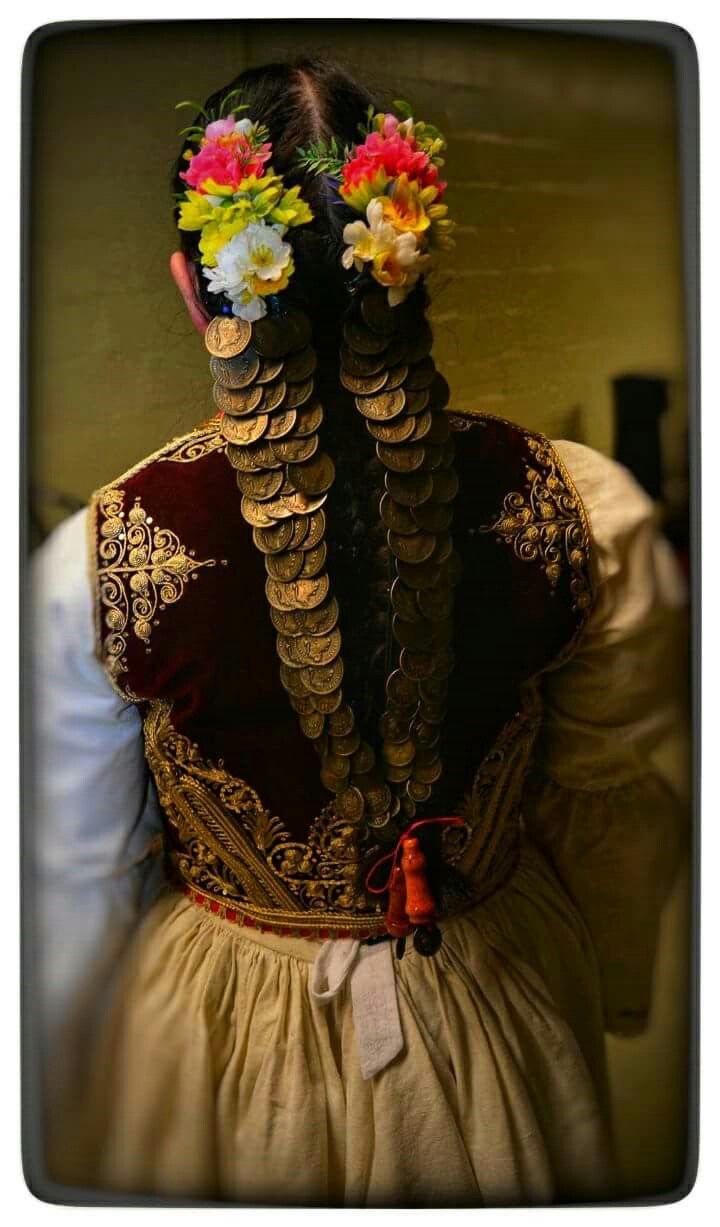
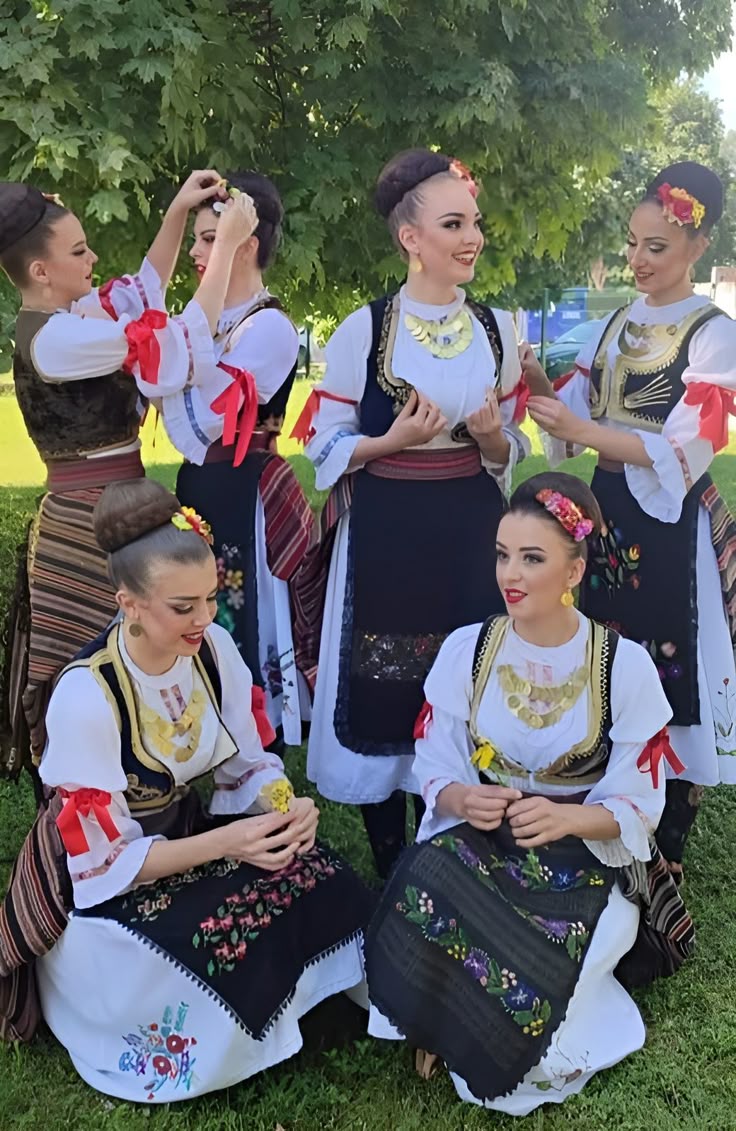
• Girls wore long, lush hair, often braided in one or two sections, decorated with colored ribbons and flowers. Basil, for example, was frequently used for its protective role. For festive occasions, their hair was specially decorated with beads and coins.
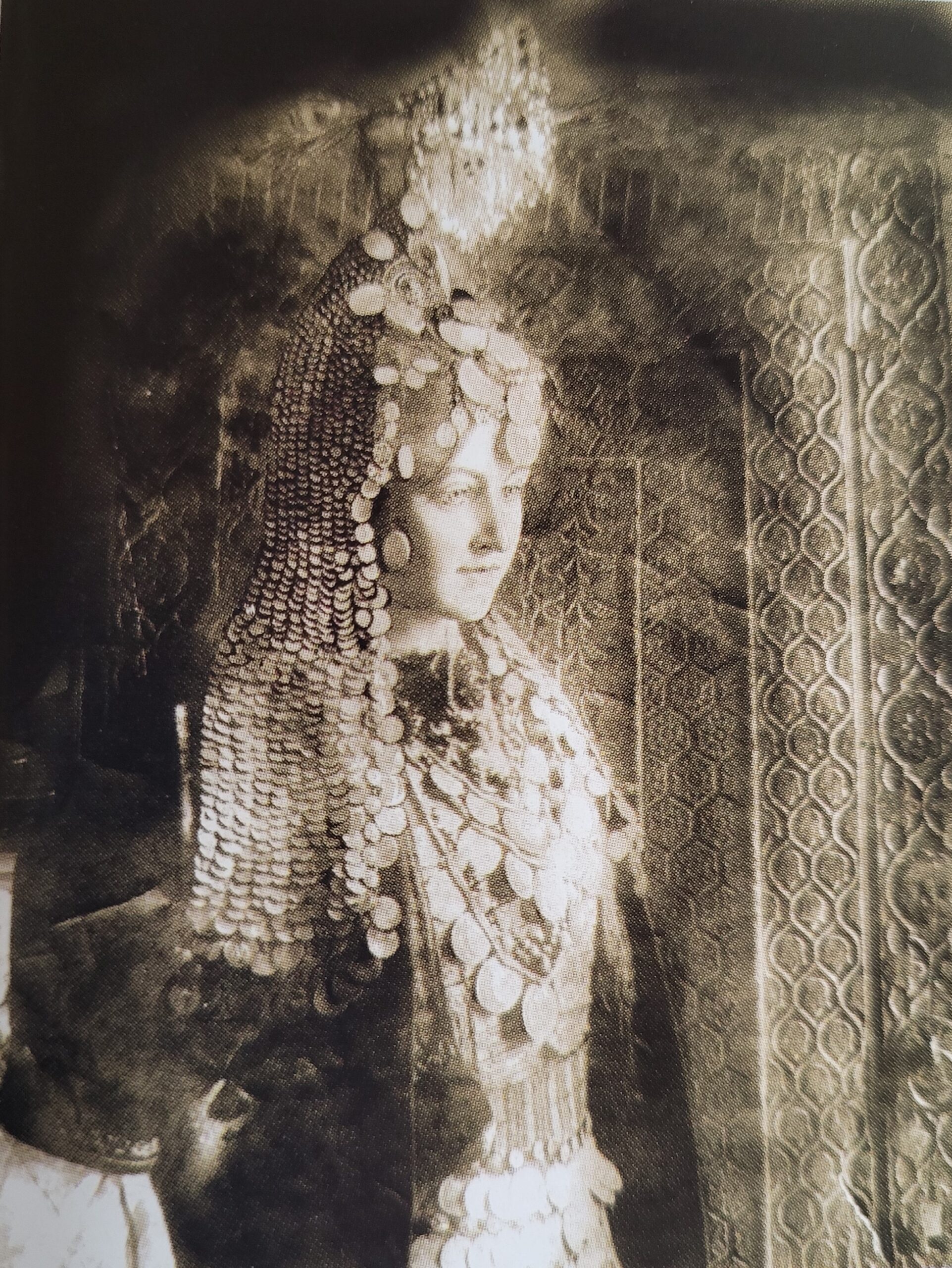
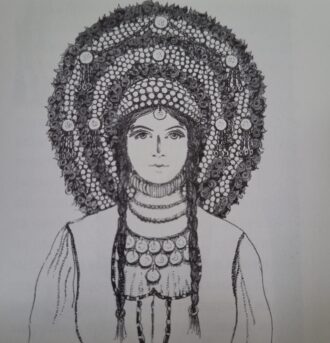
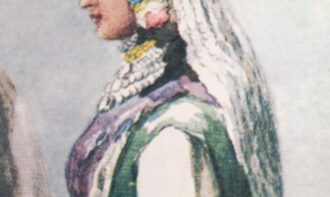
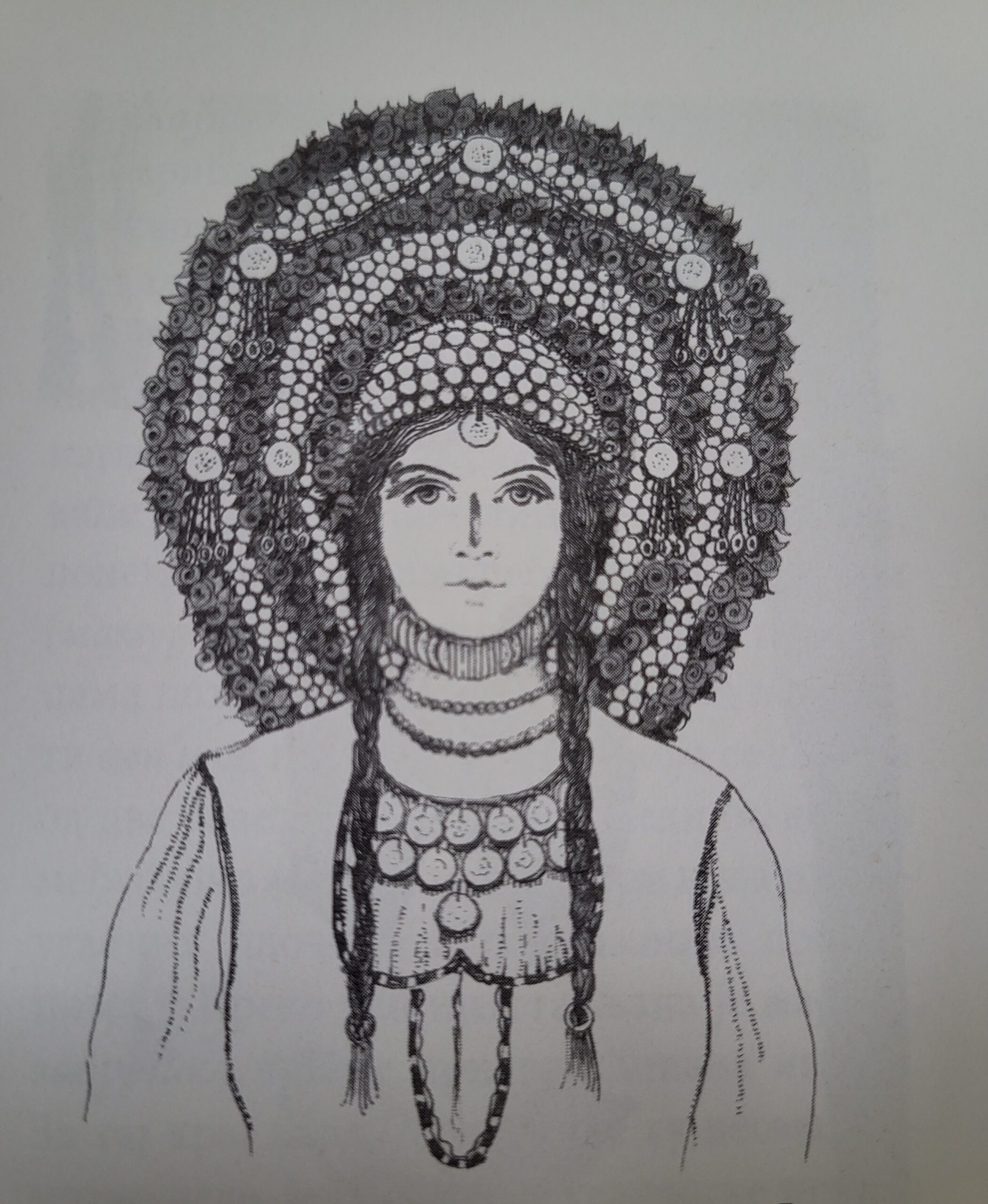
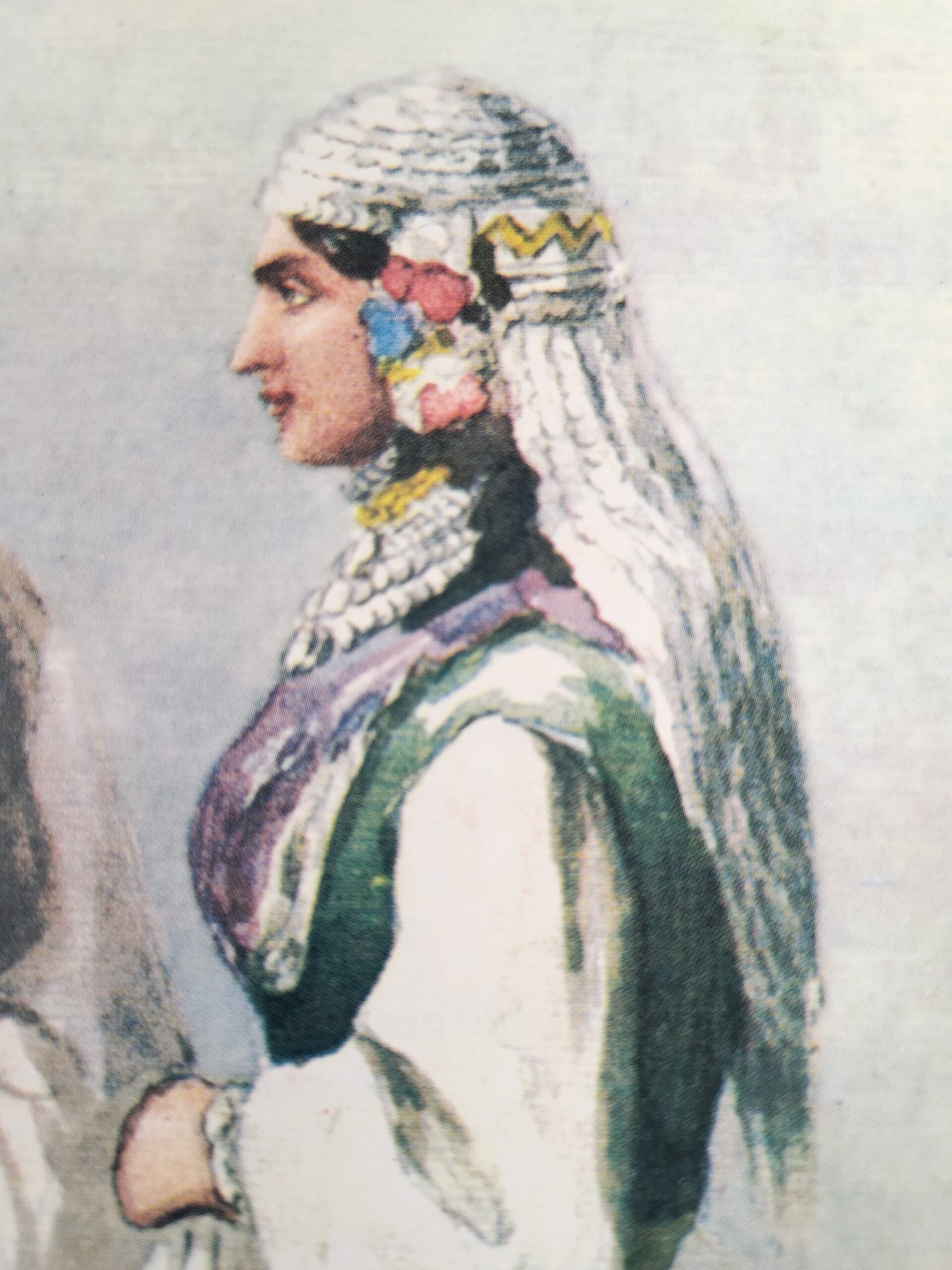
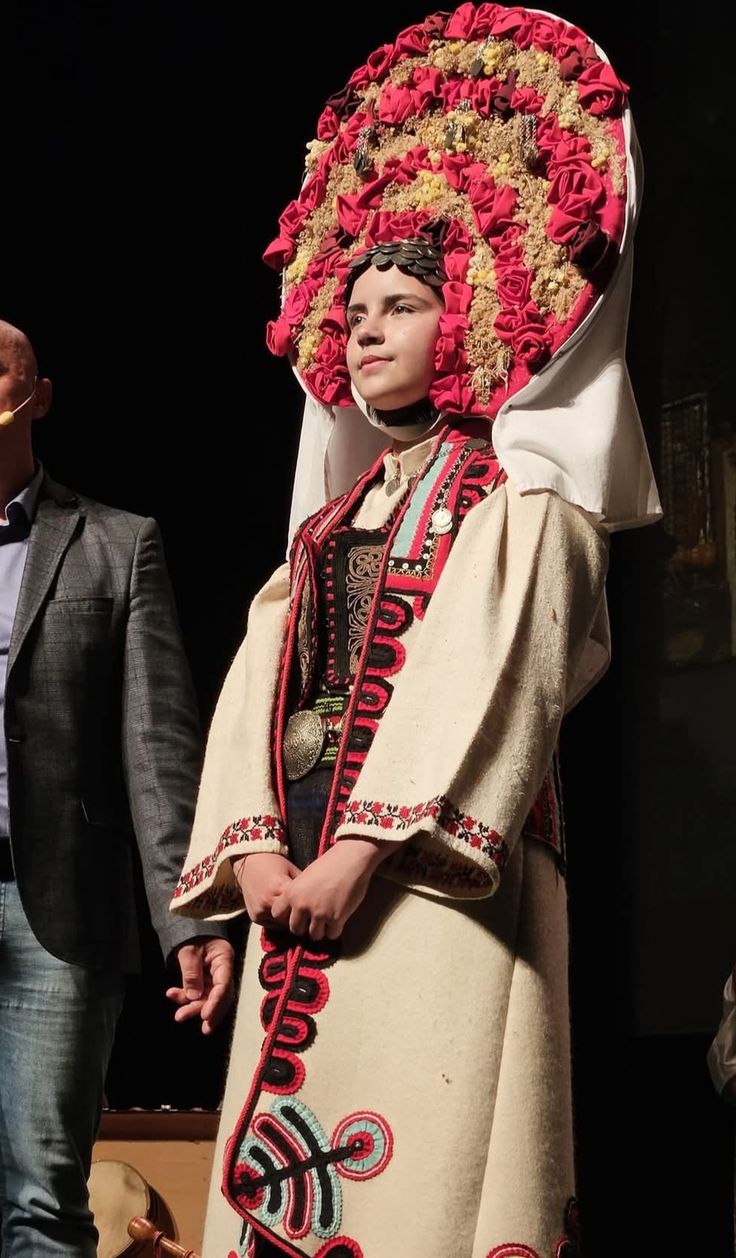
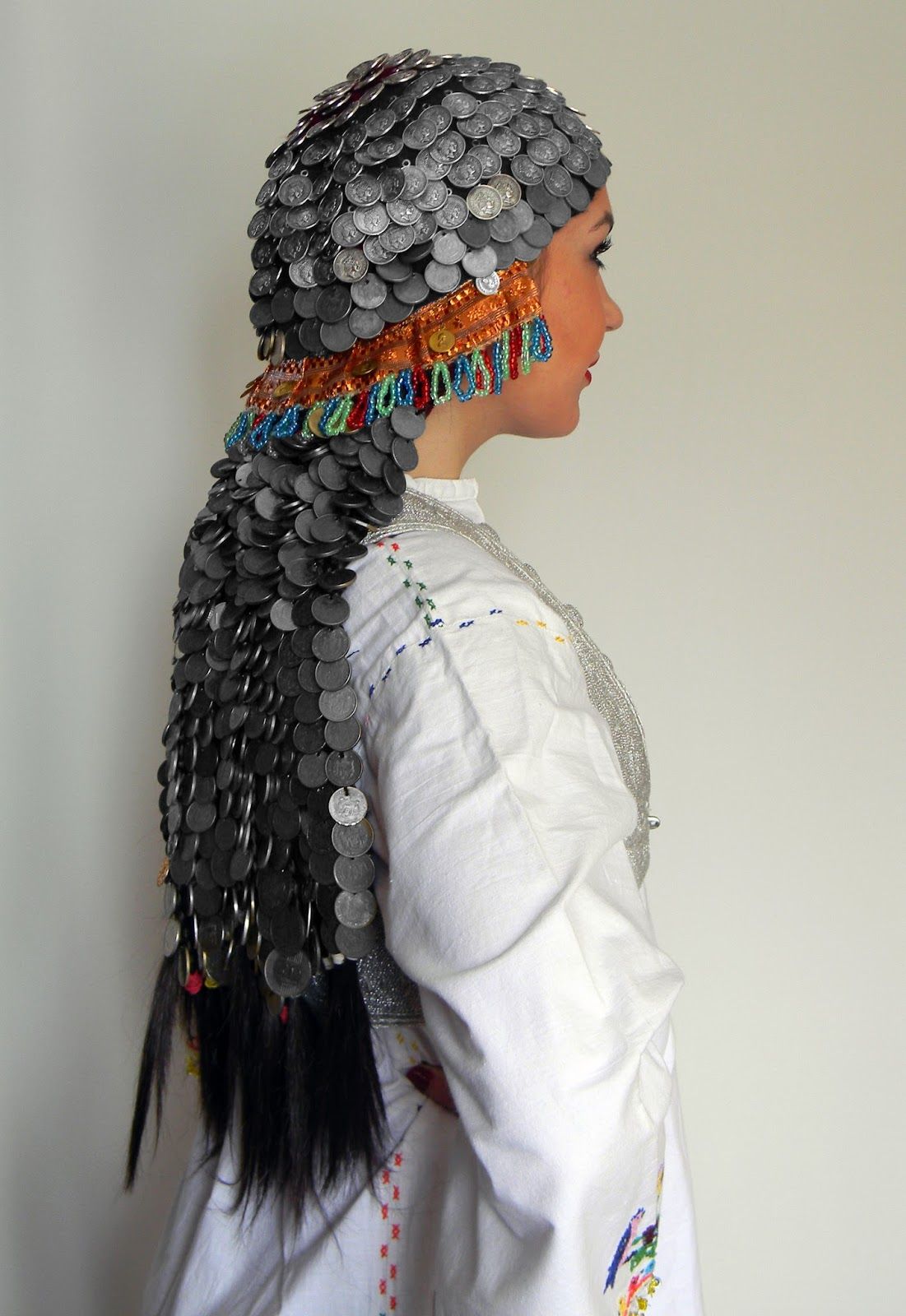
• The bridal hairstyle was the richest and most exceptional, often including valuable items like coins and dukats (Turkish coins), as well as elaborate flower wreaths. These wreaths originate from ancient methods of decoration.
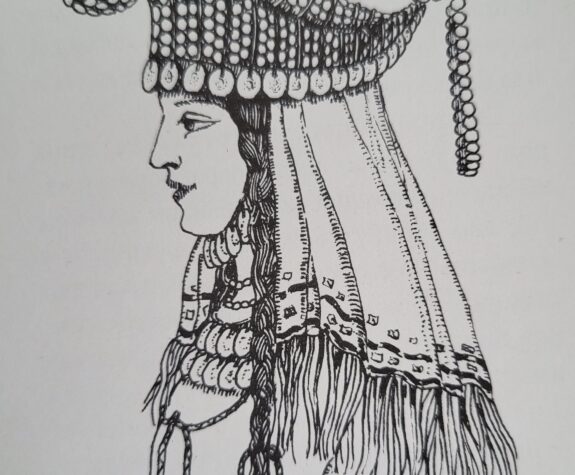
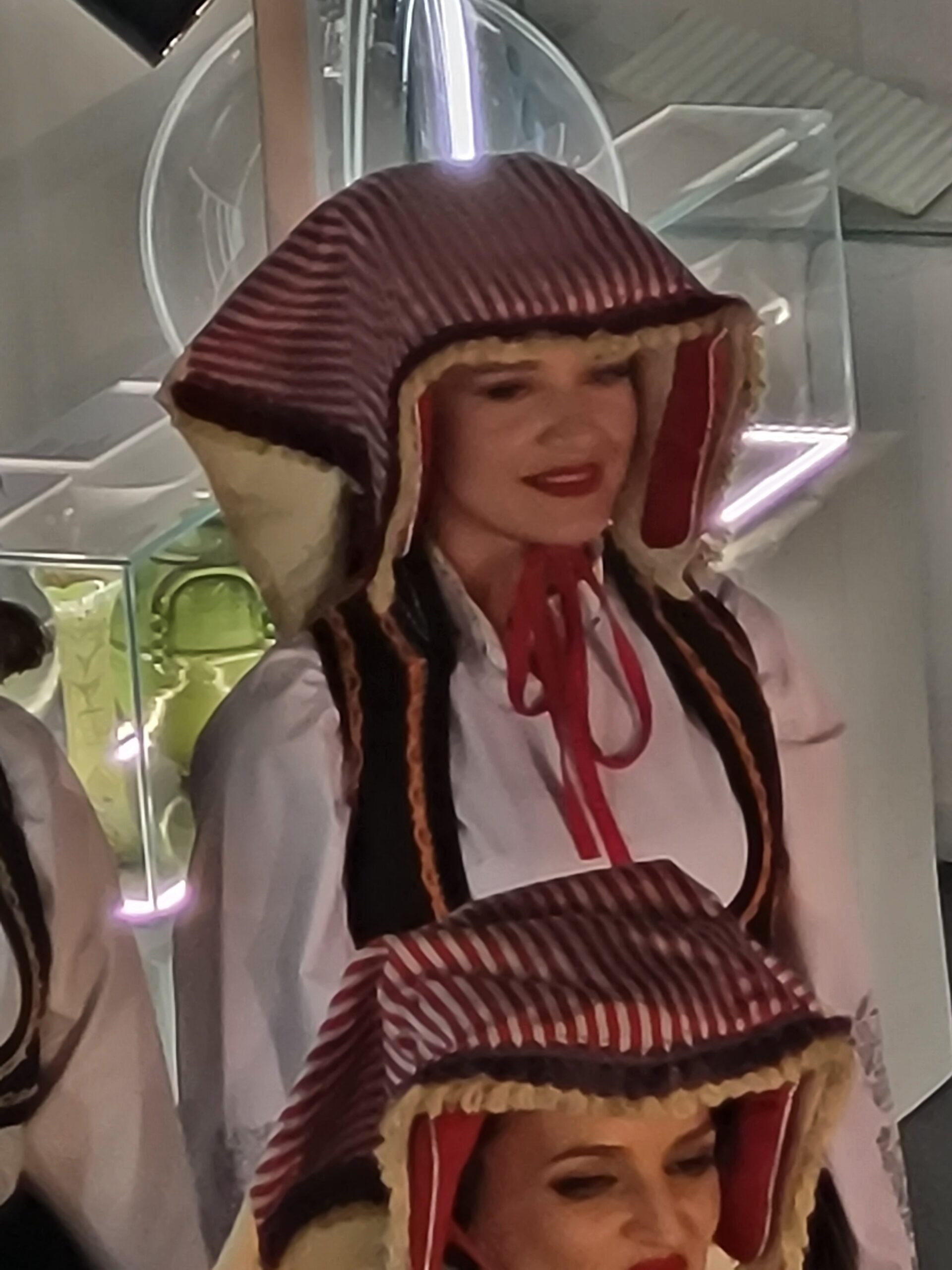
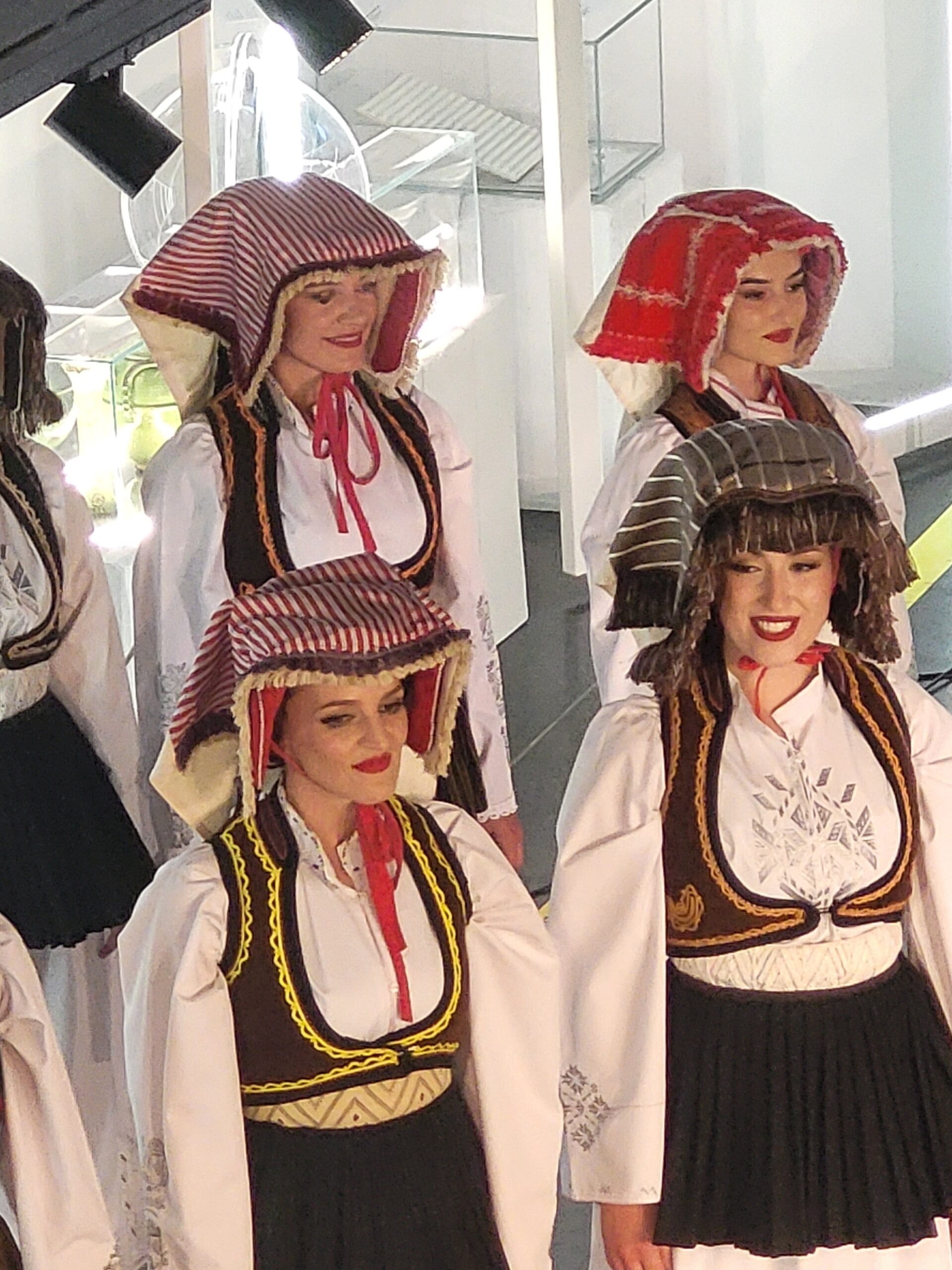
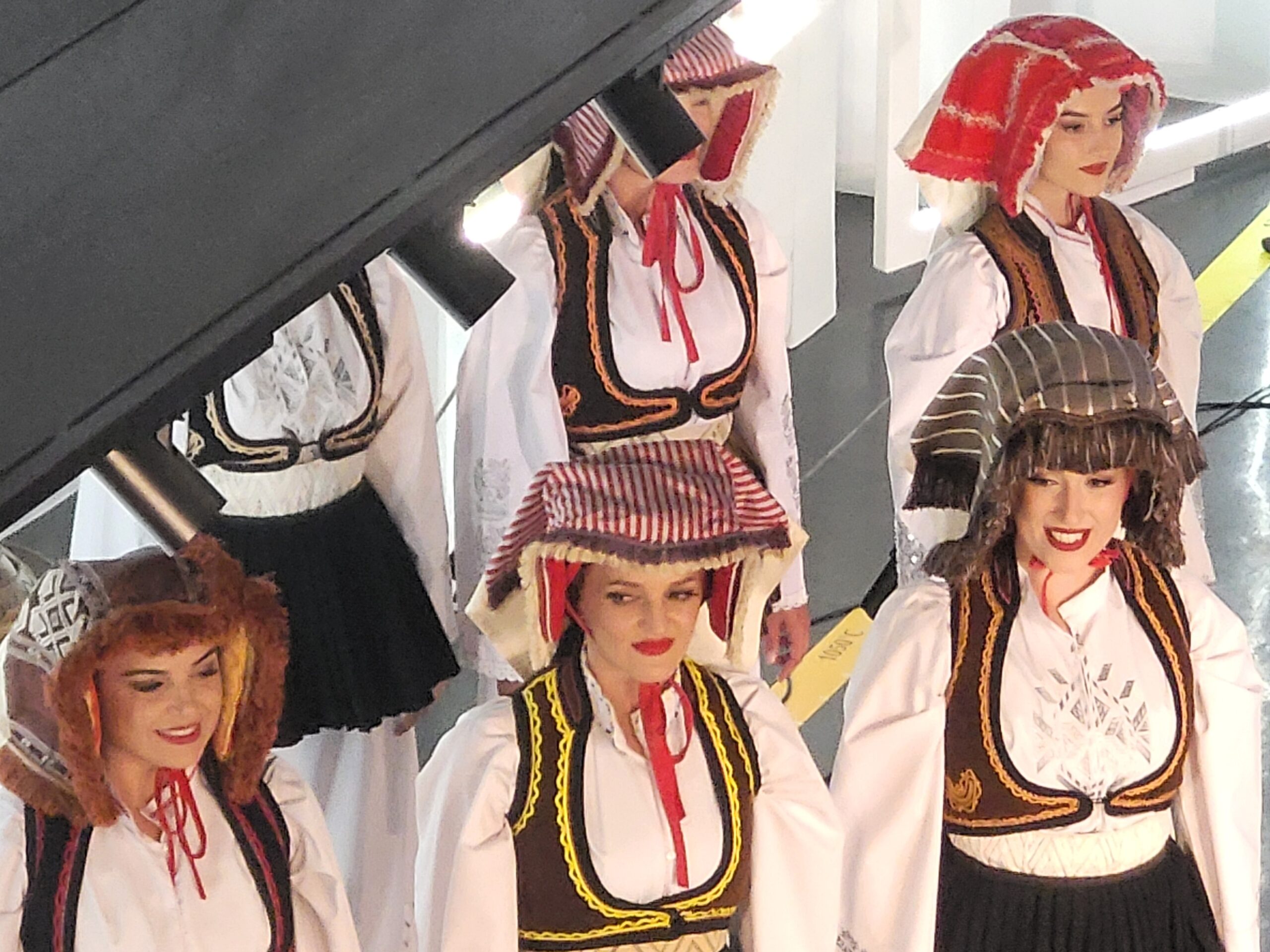
• Once a woman was married, her presentation changed fundamentally: her hair was braided into two sections, wrapped around her head, and always covered with a cap or scarf, never left uncovered.
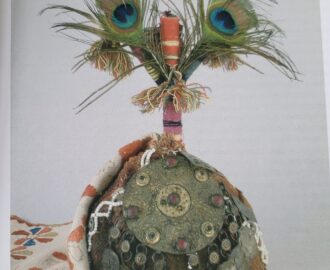
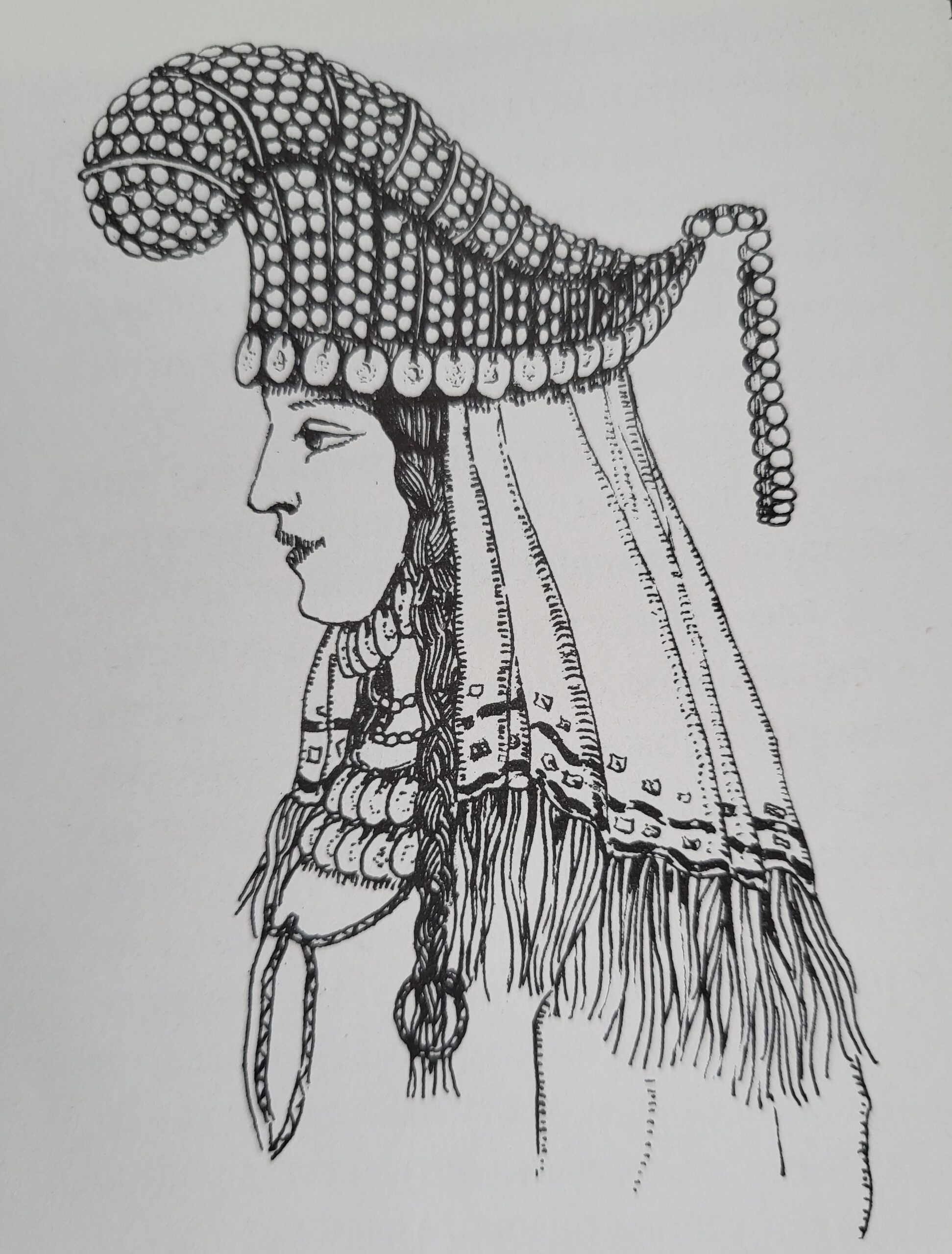
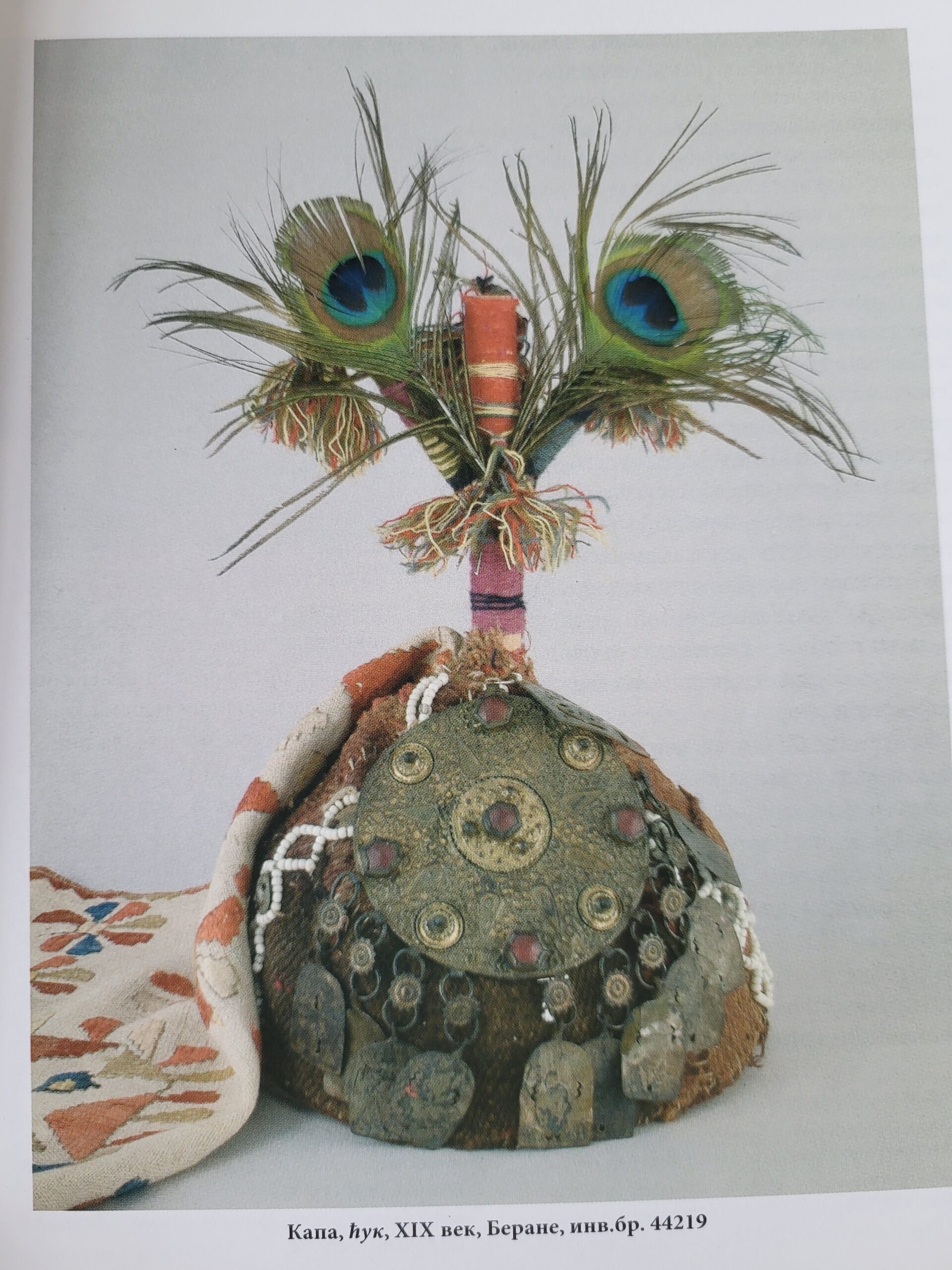
Our collections also feature historical headgears that demonstrate the complexity of this adornment. We preserve examples of massive headgears, some of which were eventually legally forbidden at the beginning of the 19th century because they were unhygienic. Notable artifacts include:
• The Roga cap, a large, horn-shaped headgear reflecting a primitive idea of fertility and the provision of offspring.
• The intricate Tarpoš cap, a type of flower wreath built on a wooden structure, decorated with scarves, coins, needles, and both natural and artificial flowers.
Heritage in the Digital Age
These concepts are not static artifacts of the past; they are living processes that continue to develop, adapt, and communicate in the contemporary context. Our mission is to ensure this heritage remains relevant.
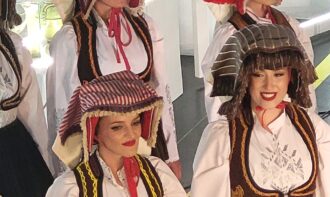
We utilize digital technologies not only to preserve our history but also to redefine it, bring it digitally to life, and reinterpret it within the context of contemporary identities and experiences. By connecting the digital with the traditional, we make this heritage attractive to young audiences. We strive to place visitors in the role of active participants in the interpretation of cultural heritage.
Adornment can be understood as an ancient form of social coding—a physical system using fabric, metal, and hair to instantly broadcast who a person was and where they belonged in their world.